
Dade County Criminal Court Records
A Dade County criminal court record is the court-level file for a prosecution. It can include an accusation, indictment, warrant reference, arraignment entry, plea, motion, order, trial setting, verdict, disposition, sentence, probation term, bond entry, and appeal. The Clerk of Superior and Juvenile Courts maintains criminal dockets and criminal court records for Superior Court, while lower-court criminal or quasi-criminal events may begin in Magistrate Court, Probate Court, or Trenton Municipal Court depending on the matter.
Felony prosecutions are handled in Superior Court. Dade County's departments page says the Lookout Mountain Judicial Circuit District Attorney is responsible for prosecutions involving at least one felony charge. Magistrate Court handles warrants and initial appearances, and Probate Court may hear certain misdemeanors, traffic, and game or fish matters in counties without state court when a jury trial is not requested. The full case file and outcome belong here; a closer charge-focused path appears in Dade County arrest records and court charges.
The GBI criminal history FAQ explains how Georgia criminal-history information differs from a court file.
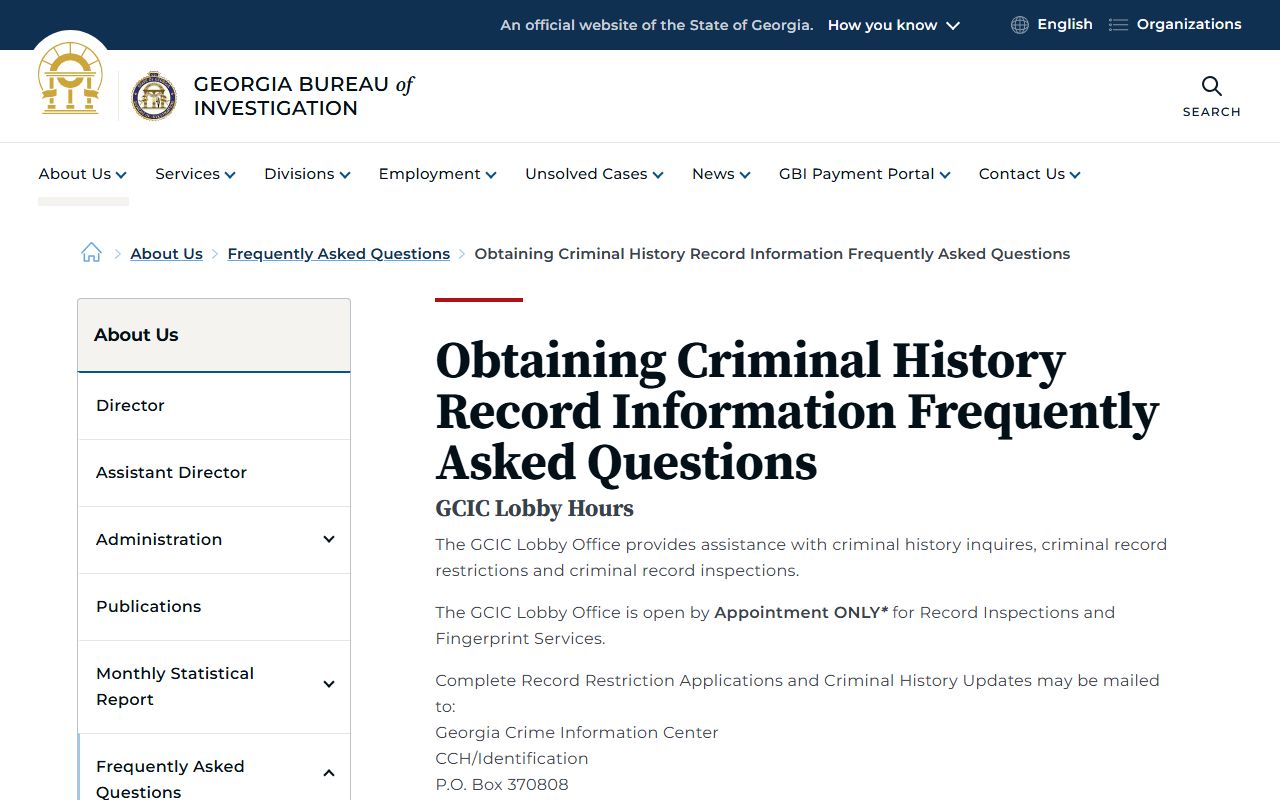
That statewide history can include arrest data and final judicial disposition data, but it is not a substitute for the complete clerk-held case record.
Search Dade County Criminal Court Records
Begin with the Dade Clerk's court calendars and docket access. The public calendar page groups criminal calendar PDFs such as arraignment calendars, felony calendar calls, and misdemeanor calendar calls. The clerk also publishes an official Court Docket quick link for Superior Court, though research inspection found a certificate mismatch and repeated redirects. If the docket link fails, call the Clerk of Superior and Juvenile Courts at 706-657-4778 and ask for help with the defendant name, case number, charge, or calendar date.
- Check the Dade Clerk calendar page for criminal calendar PDFs by date and event type.
- Try the official Superior Court docket link from the clerk website for case-level information.
- Use the defendant name, case number, charge, or approximate filing date to narrow the request.
- Review the docket for arraignment, motions, plea, trial, disposition, sentence, and appeal entries.
- Request a certified copy from the clerk when the record will be used for a legal, licensing, or official purpose.
Statewide tools answer different questions. Georgia Courts e-access may require a provider account to search court records. GBI criminal-history channels concern statewide criminal history and record restrictions. Georgia DOC and VINE help with custody status after conviction or confinement, not the original Dade criminal case file.
Dade Criminal Case Flow
A criminal court record grows as the case moves through stages. Early law-enforcement and Magistrate Court events can lead to formal prosecution. Felony cases then route through the District Attorney and Superior Court. A misdemeanor or traffic-related criminal matter may follow a lower-court path if state law and local venue allow it. The docket should be read as a sequence rather than a single final answer, because a pending charge may later be amended, reduced, dismissed, dead docketed, resolved by plea, or tried.
Case flow: Charges Filed › Arraignment › Pretrial / Motions › Plea or Trial › Disposition › Sentencing
| Stage | What Happens |
|---|---|
| Charges filed | A complaint, accusation, indictment, or other charging document starts or carries the court case. |
| Arraignment | The charges are formally presented and a plea may be entered. |
| Pretrial / motions | Attorneys file requests for court action, evidence issues are addressed, and hearings may be scheduled. |
| Plea or trial | The case is resolved by plea, bench trial, jury trial, dismissal, or another court action. |
| Disposition | The case or charge receives a current or final outcome such as guilty, not guilty, dismissed, nolle prosequi, or acquitted. |
| Sentencing | After conviction or plea, the court may impose confinement, probation, fines, costs, restitution, or other terms. |
Dade Criminal Court Record Fields
Dade County criminal court records can include both court case information and charge-specific details. The research file does not provide a fixed Dade case-number pattern, so the exact number should be taken from court notices, calendar PDFs, docket entries, or clerk responses. A criminal case field can change over time, especially when the prosecutor amends a charge, the court accepts a plea, a charge is dismissed, or sentencing terms are added.
| Field | What It Shows |
|---|---|
| Case number | The Dade court identifier for the criminal file, if available from a docket, calendar, or clerk response. |
| Defendant | The person accused in the criminal case. |
| Court venue | Superior Court, Magistrate Court, Probate Court, Municipal Court, or another proper venue. |
| Charges | Statute, count, description, misdemeanor or felony class, bond, warrant number if present, and arresting agency when included. |
| Docket entries | Arraignment, motion, hearing, trial, continuance, disposition, sentence, appeal, or remittitur. |
| Plea | The defendant's formal response, such as guilty, not guilty, or another accepted plea entry. |
| Disposition | The current or final outcome of the case or charge. |
| Sentence | Confinement, probation, fines, costs, restitution, or other ordered terms after conviction or plea. |
GBI's record restriction service is relevant when criminal-history data may be restricted or court clerk records may be sealed by petition.
The GBI record restrictions page is the statewide source for that process.
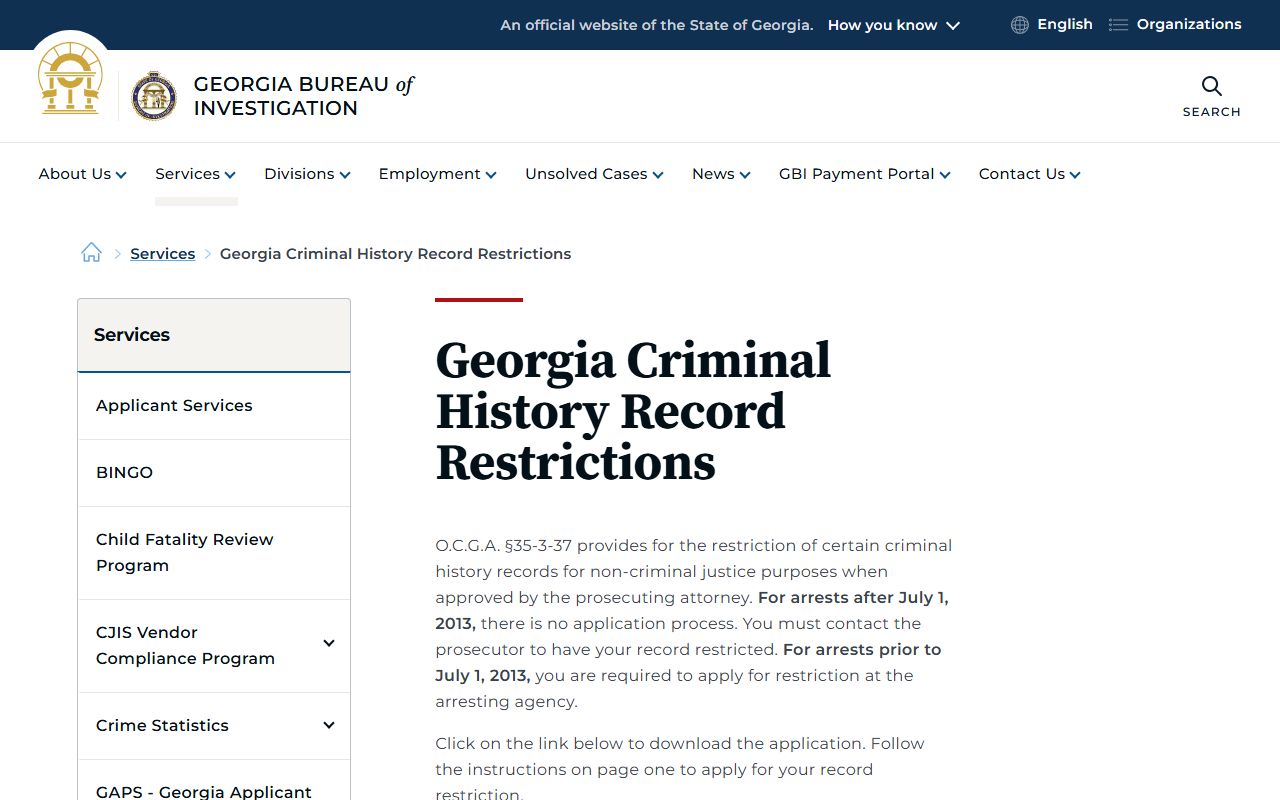
Restriction affects public access to eligible criminal-history information, while court sealing may require a petition in the court with original jurisdiction.
Dade Charges vs Convictions
A charge is an allegation. A conviction is an outcome after a guilty plea, verdict, or other adjudication that legally establishes guilt. A Dade County criminal court record can show charges that were amended, dismissed, reduced, dead docketed, or resolved in a way that did not produce a conviction. Read each count separately, because one arrest or case can have several charges with different outcomes.
| Charge | Conviction | |
|---|---|---|
| Stage | Accusation filed or carried forward after arrest. | Result after plea, verdict, or accepted court outcome. |
| Record meaning | Shows what was alleged, not what was proven. | Shows a legal finding or accepted plea outcome. |
| Can change | May be amended, reduced, added, dismissed, or nolle prossed. | May later be appealed, corrected, restricted, or sealed if eligible. |
| Where shown | Docket, charging document, criminal history, or court file. | Disposition, judgment, sentencing entry, and criminal history when reported. |
Note: Do not treat a pending Dade County criminal charge as a conviction unless the disposition or sentence shows that result.
Public Access to Dade Criminal Records
Georgia's open-records framework supports access to public records, but criminal court records can involve several custodians. Clerk-held Superior Court criminal records are requested from the Clerk of Superior and Juvenile Courts. Sheriff booking or incident records are requested through the sheriff records channel at Info@dadesheriff.com. Statewide criminal-history information is handled through GBI processes. DOC and VINE channels are useful for people in state custody or custody notification, not for certified court copies.
O.C.G.A. 35-3-37 governs correction, restriction, and sealing procedures for eligible Georgia criminal-history and related court information. O.C.G.A. 50-18-71 governs inspection and copying rules for public records unless a law or court order blocks release.
The Georgia record restriction statute is the legal basis for limiting eligible criminal-history information.
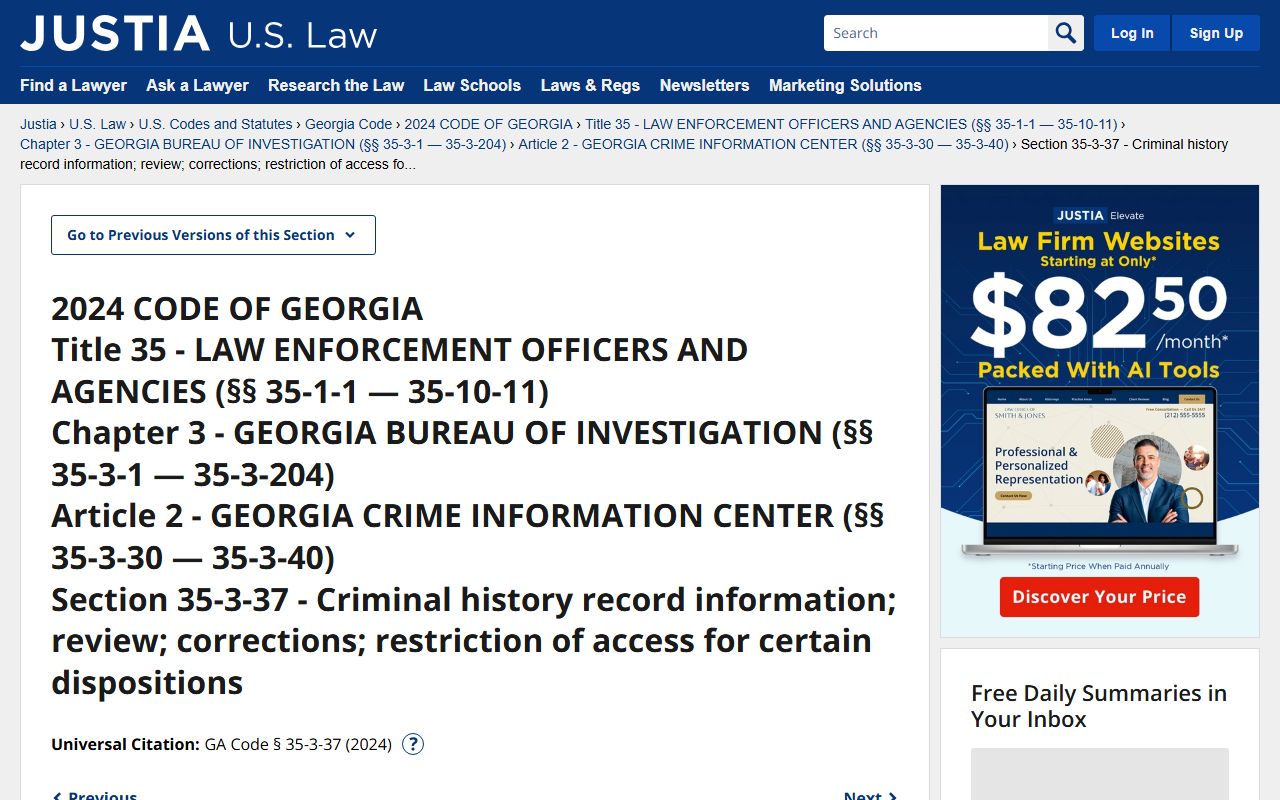
The statute is especially important for dismissed, eligible, or restricted criminal-history records connected to Dade County charges.
Custody Links and Case Outcomes
Custody systems can help after a Dade criminal case, but they do not replace the criminal court record. The Georgia Department of Corrections offender query is for people serving in state prison. Georgia.gov says adult offenders can be searched by name, ID or case number, age, and other identifying details. Georgia VINE/VINELink provides custody status and criminal case notifications where data is available. County jail custody questions still route to Dade County Jail and the sheriff.
The Georgia DOC offender query is a statewide sentenced-offender search.
DOC records may reflect custody after sentencing, while the Dade criminal court record shows the local case path and judgment.
The Georgia offender search overview explains the state search route and distinguishes county jail inmates from state offenders.
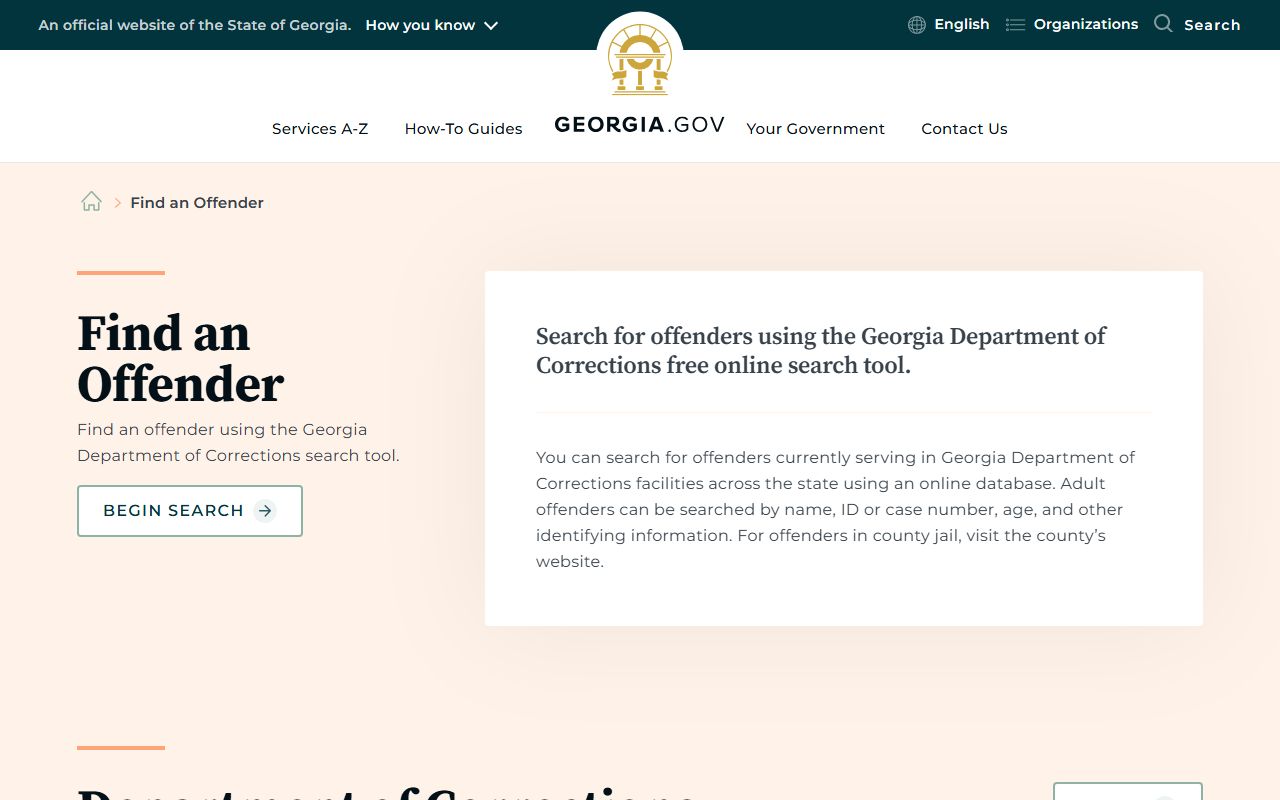
That distinction helps prevent a failed county jail search from being mistaken for a missing criminal court case.
Sealed and Restricted Dade Criminal Records
Georgia commonly uses the term record restriction for eligible criminal-history information. Sealing can apply to clerk-held court records when the statutory procedure allows it. Expungement language is often used casually, but Dade County users should follow Georgia's actual restriction and sealing process. Juvenile criminal matters, sealed records, protected personal identifiers, and restricted criminal histories should not be treated as public files just because related docket activity once existed.
| Sealed Court Record | Restricted Criminal History | |
|---|---|---|
| Primary effect | Limits public access to clerk-held court information. | Limits public access to eligible Georgia criminal-history information. |
| Main path | Petition in the court with original jurisdiction when allowed. | GBI, GCIC, law-enforcement, prosecutor, or court process depending on the record. |
| Still accessible to | Court and authorized entities as law allows. | Criminal justice entities and others allowed by statute. |
| Not the same as | A private website removal request. | A certified court copy or full case docket. |
VINELink can help with notification when custody or case status data is available.
The Georgia VINE custody notification service is a separate notification channel.

Notifications do not certify the Dade court record, but they can help track custody changes connected to a criminal case.